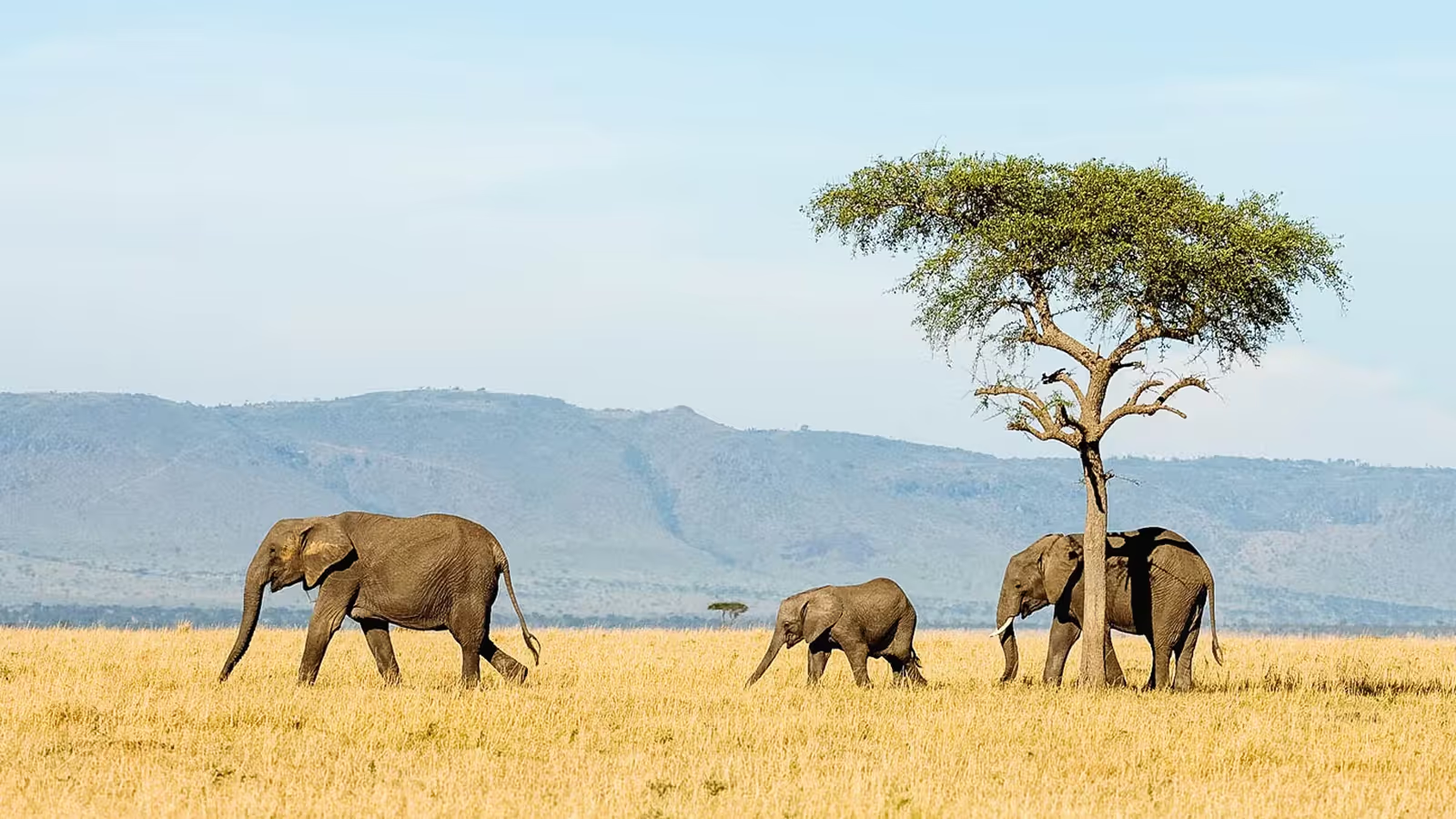
Day 1: Tarangire National Park – Wildlife, Elephants and Baobabs – Continue to Karatu
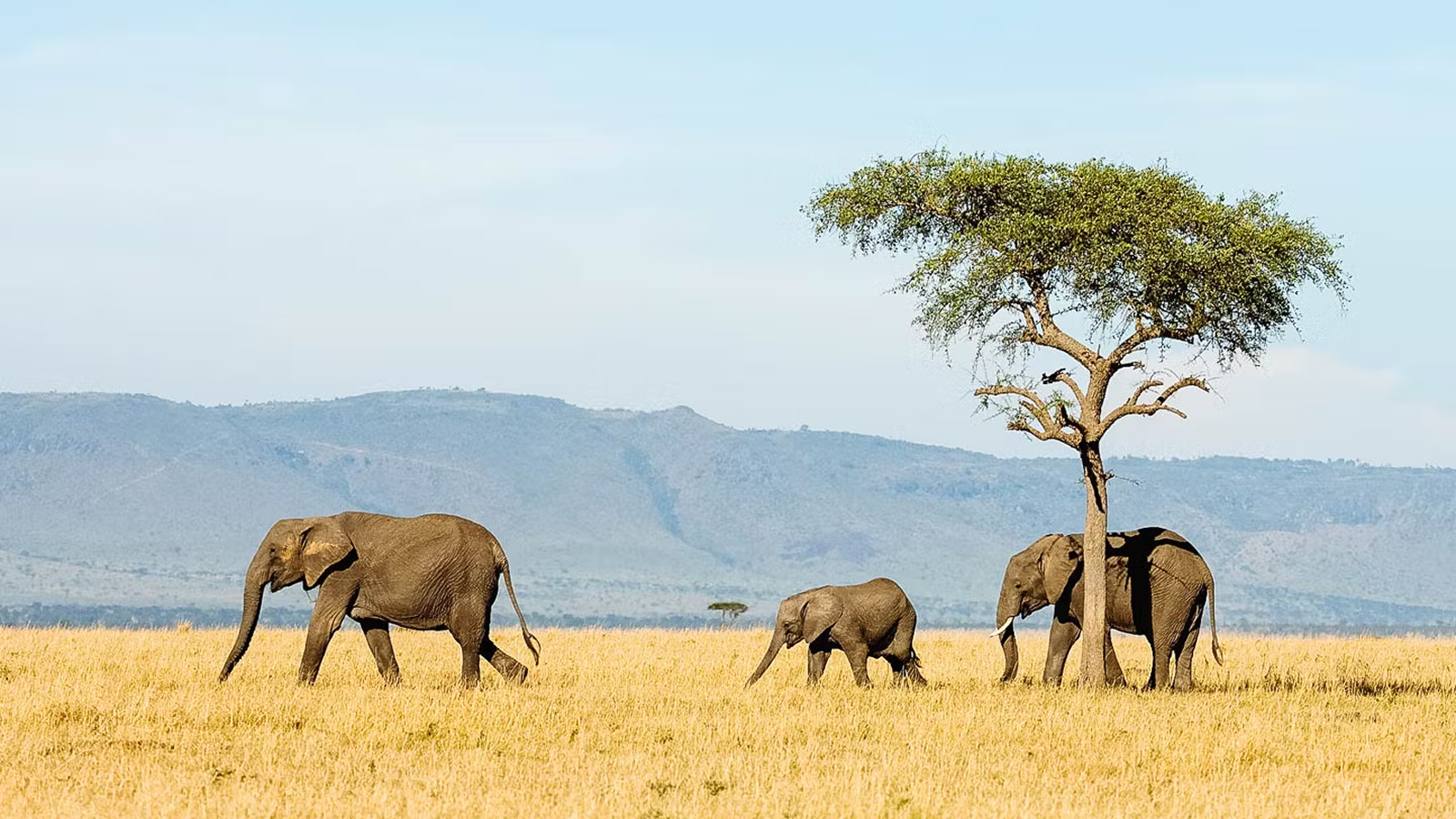
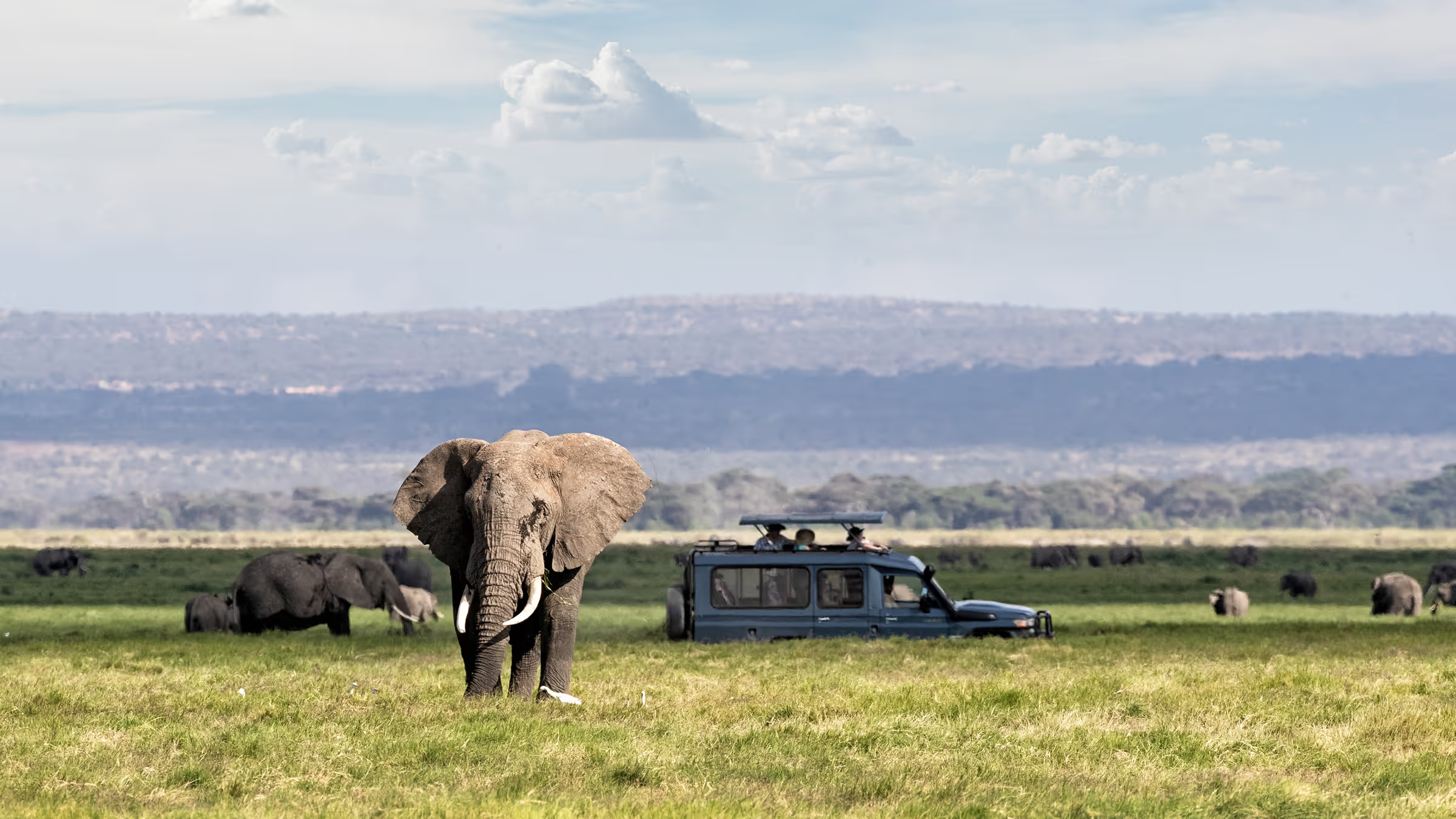
After breakfast, your safari begins with a drive towards Tarangire National Park. The park is famous for its impressive baobab trees, large elephant herds and diverse landscapes. Depending on the season, many animals gather around the Tarangire River and the park’s various water sources, creating excellent opportunities for wildlife viewing.
Upon entering the national park, you begin your game drive with your experienced safari guide. You will explore the different habitats of Tarangire while keeping an eye out for elephants, giraffes, zebras, wildebeest, buffalo, antelopes and an impressive variety of bird species. With some luck, you may also encounter lions, which are often found close to the large herds of herbivores.
Tarangire is a park that rewards patience and careful observation. Alongside the larger animals, there are many smaller and more unusual encounters to discover, from colourful bird species to tiny dik-diks and other antelopes that are characteristic of the area.
In the afternoon, you leave Tarangire National Park and continue through the Ngorongoro Highlands towards Karatu. The scenery gradually changes as the dry savannah landscapes give way to the fertile highlands, with coffee plantations, small villages and green slopes.
You spend the night in Karatu, ideally located for an early start towards the Ngorongoro Crater the following morning.
Day 2: Early Start to the Ngorongoro Crater – A Full Day in the Crater
Today begins early, allowing you to reach the Ngorongoro Crater as early as possible. After breakfast, you drive through the Ngorongoro Conservation Area towards the crater rim. The journey itself is spectacular, with misty montane forests, steep slopes and breathtaking views over the surrounding landscape.
From the crater rim, you descend into the caldera along the steep access road. The Ngorongoro Crater is one of Africa’s most extraordinary wildlife areas. Covering approximately 260 square kilometres, the almost enclosed crater forms a remarkable natural ecosystem supporting an exceptional concentration of wildlife.
You will spend the entire day inside the crater, allowing plenty of time for extensive game drives. Rather than having to leave after just a few hours, you can take your time and allow your guide to respond to wildlife sightings and interesting animal behaviour.
The crater is home to large herds of zebra and wildebeest, buffalo, gazelles, hippos and many other antelope species. Lions and hyenas are regularly encountered, while the area is also one of Tanzania’s best places to look for the rare black rhino.
Around midday, you stop at a suitable location for a picnic lunch before continuing your game drive. The crater floor offers a fascinating variety of habitats, including open grasslands, small lakes, wetlands and wooded areas, each attracting different species.
In the late afternoon, you leave the crater and continue to your accommodation in the crater area. Staying nearby is a deliberate choice: it allows you to enjoy a full day inside the crater without having to cut the safari short because of a long return journey.
Day 3: Into the Ndutu Area – A Full Day Off the Main Tracks
After an early breakfast, you continue towards the Ndutu area. Ndutu lies between the southern Serengeti ecosystem and the Ngorongoro Conservation Area and is particularly famous for its exceptional seasonal concentration of wildlife.
The journey itself becomes part of the safari. Depending on the season, you may encounter wildebeest, zebra, gazelles, giraffes, predators and numerous bird species along the way. Once you reach Ndutu, you begin exploring this extraordinary landscape.
One of the great advantages of spending several days in Ndutu is the opportunity to explore away from the main tracks, where off-road driving is permitted under the local regulations. This gives you greater flexibility to approach interesting wildlife sightings and explore areas that cannot be reached from the regular roads.
Ndutu is particularly spectacular during the seasonal Great Migration. Hundreds of thousands of wildebeest and large numbers of zebra move through the region, naturally attracting predators such as lions, cheetahs and hyenas. With some luck, you may also encounter leopards.
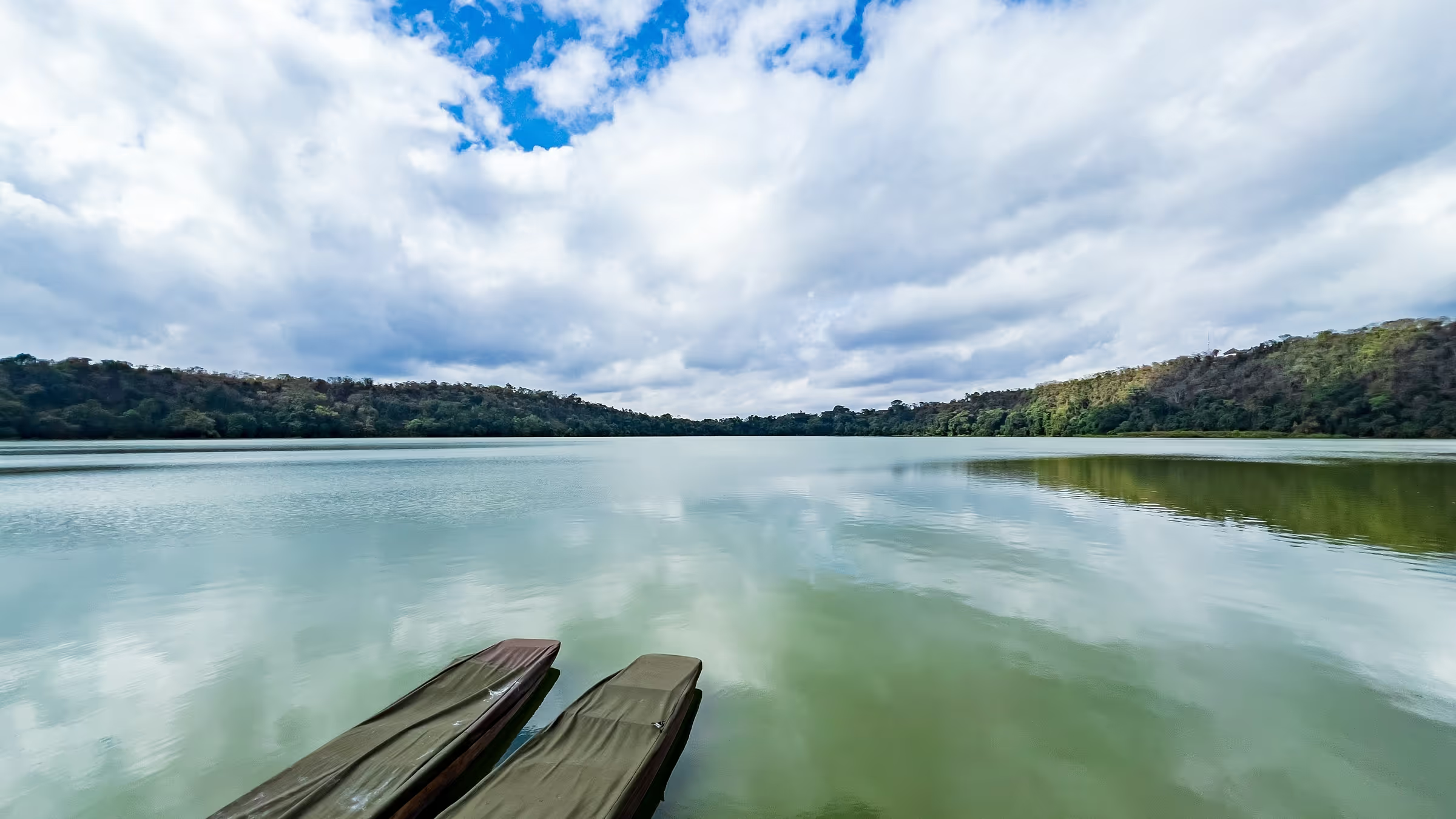
The landscape is wonderfully diverse, ranging from open plains and acacia woodland to shallow seasonal lakes and waterholes.
You spend the full day on safari, giving you enough time to stay with interesting wildlife encounters rather than simply driving from one sighting to another. In Ndutu, a good safari is not about covering the greatest possible distance; it is about having the freedom to stop, observe and experience what is happening around you.
In the late afternoon, you return to your camp and enjoy the evening surrounded by the sounds and atmosphere of the African wilderness.
Day 4: Full Day in Ndutu – Following the Great Migration and the Predators
Today you enjoy another complete day in the Ndutu area, with no long transfer and no need to rush.
After an early breakfast, you head out on your morning game drive. The early hours are often particularly rewarding, as many predators are still active and temperatures are cooler.
Together with your safari guide, you can decide which areas are most interesting to explore. Where permitted by the local regulations, you can once again venture away from the main tracks. This flexibility is one of the reasons why Ndutu offers such a special safari experience.
One of the major highlights may be encountering the enormous wildebeest herds. During the migration season, the landscape is constantly changing: vast herds move across the plains, young animals are born and predators gather nearby.
The calving season is particularly spectacular. Within a relatively short period, huge numbers of wildebeest calves are born. It is one of nature’s most fascinating – and sometimes harshest – spectacles. The newborn calves take their first steps while lions, cheetahs, hyenas and other predators remain close by, waiting for opportunities.
Even outside the calving season, Ndutu offers excellent wildlife viewing. The area is an important habitat for a wide range of species, and its open landscapes provide wonderful opportunities for photography and observing animal behaviour.
You spend another full day in the wilderness, with a picnic lunch enjoyed out in the bush. This allows you to make the most of your time in Ndutu without having to return to camp in the middle of the day.
In the late afternoon, you return to camp. Your final evening in the wilderness is a chance to enjoy one more African sunset and soak up the unique atmosphere of Ndutu.
Day 5: Farewell to the Wilderness – Return to Arusha or Moshi
Today it is time to say goodbye to the African wilderness.
After breakfast, you leave Ndutu and begin your journey back towards Arusha or Moshi. Depending on your departure time and onward travel arrangements, the drive can include additional stops or occasional wildlife sightings along the way.
As the landscape gradually changes, your safari comes to an end – from the elephants and ancient baobabs of Tarangire, to the extraordinary wildlife of the Ngorongoro Crater and finally the open plains of Ndutu, where you have followed the great herds and their predators.
Upon arrival in Arusha or Moshi, your safari ends, leaving you with unforgettable memories of Tanzania’s landscapes, wildlife and the unique experience of spending extended time in the Ndutu wilderness.