Day 1
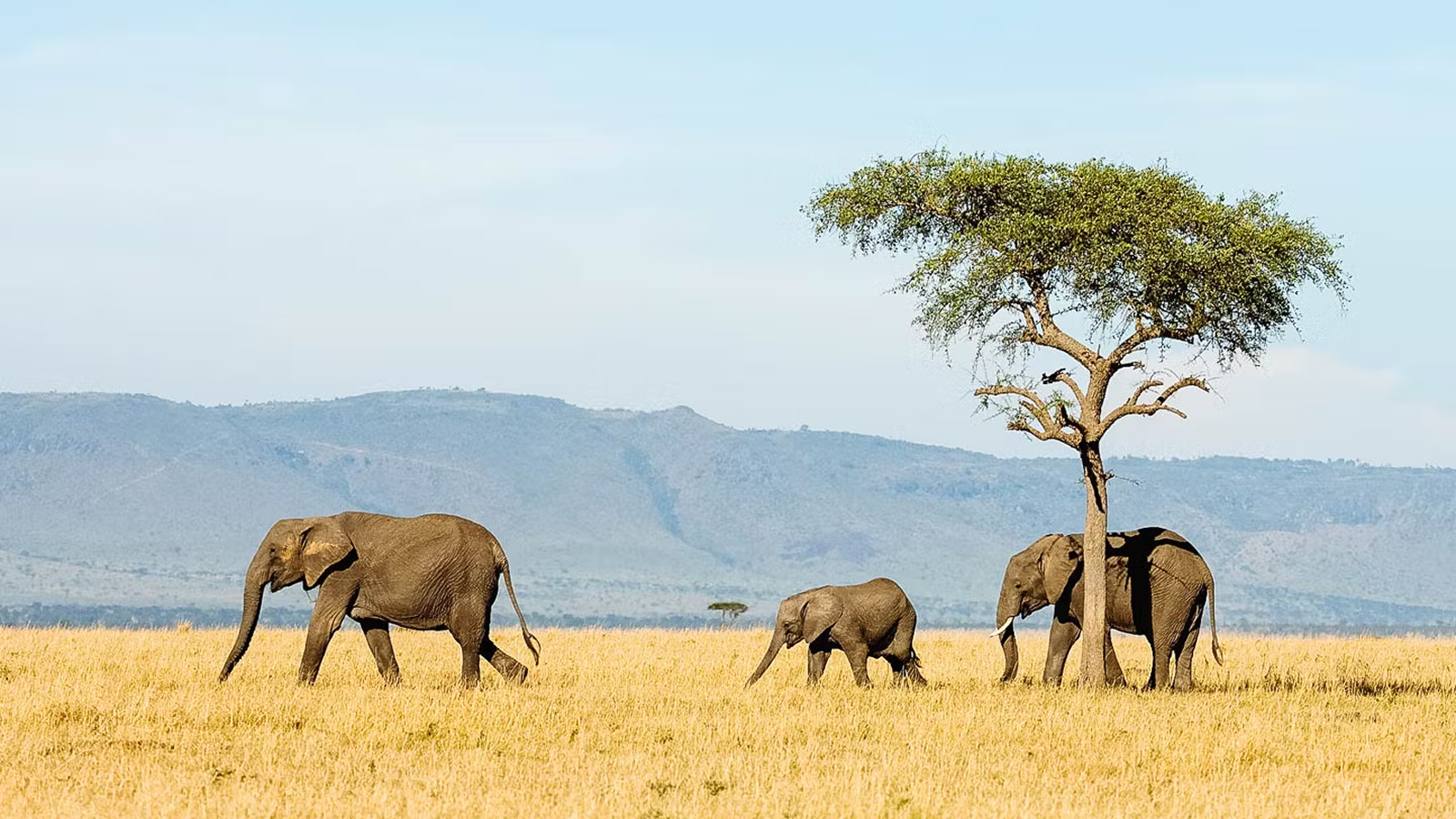
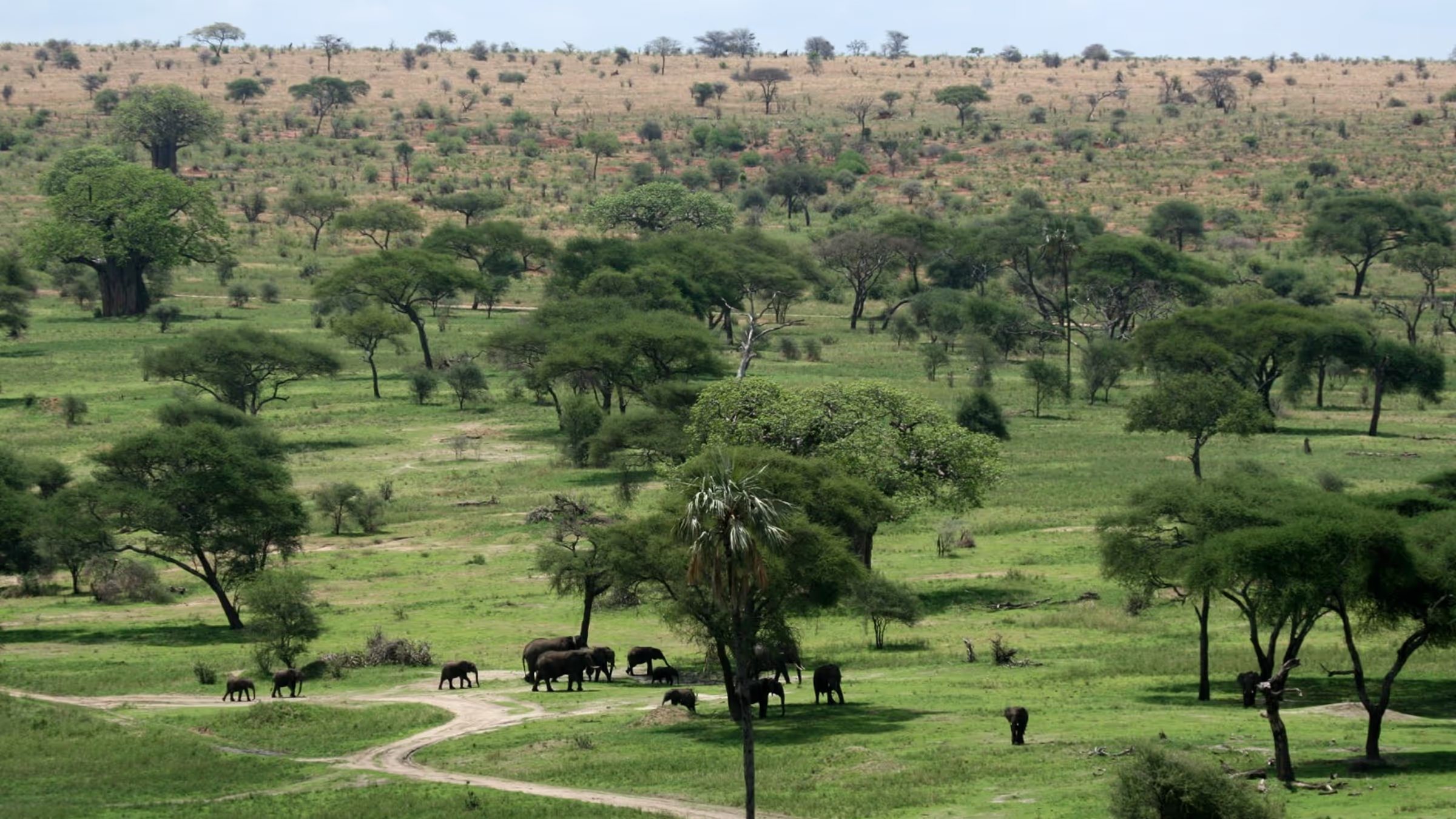
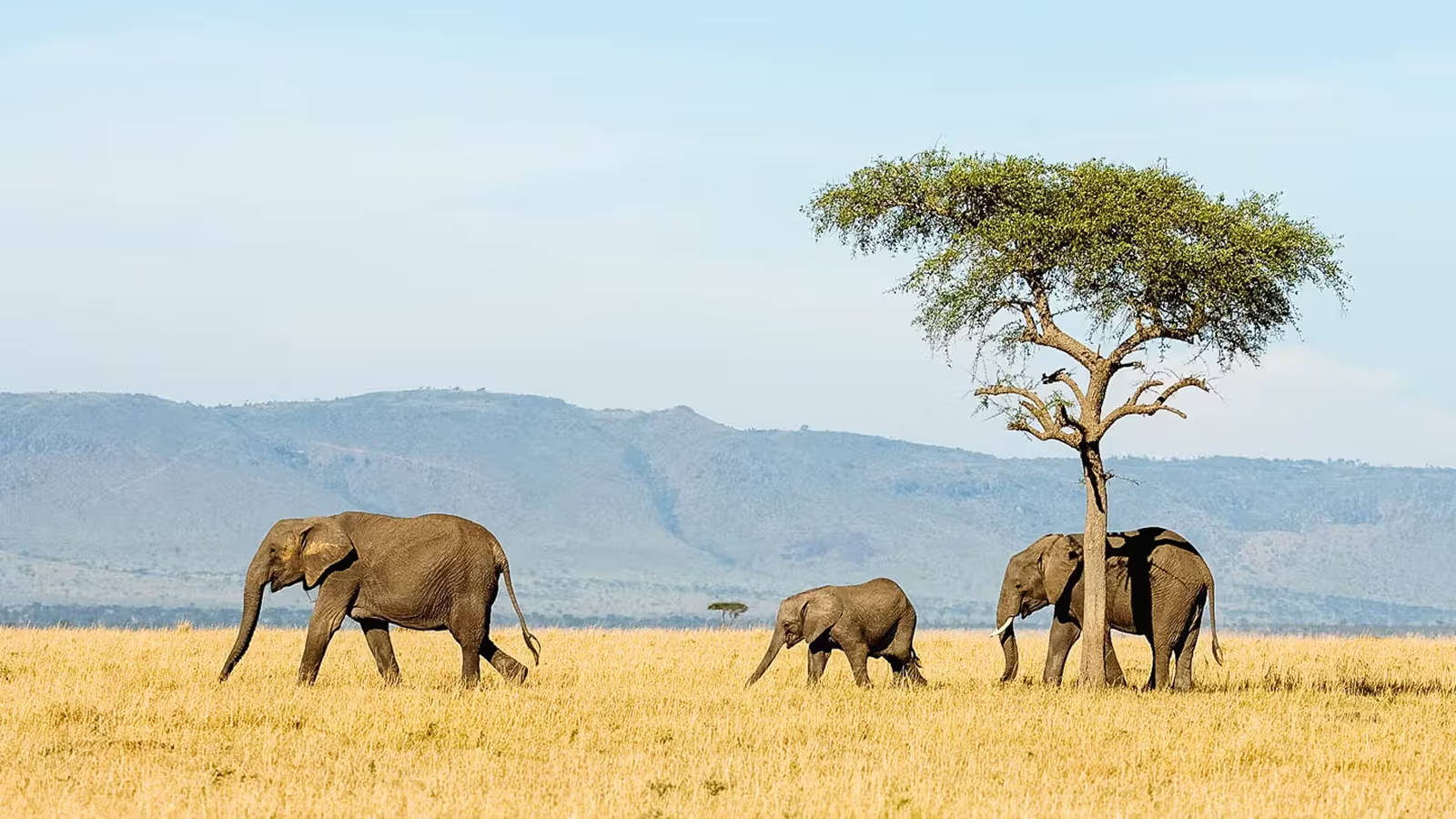
Your adventure begins with a scenic drive from Arusha or Moshi to Tarangire National Park, one of Northern Tanzania’s most beautiful and underrated safari destinations. Famous for its giant baobab trees and impressive elephant population, Tarangire offers an excellent introduction to Tanzania’s wildlife. During the green season, the landscape is lush and vibrant, creating stunning photographic opportunities. Throughout the day, you may encounter large elephant herds, giraffes, zebras, wildebeest, buffaloes, and numerous antelope species. Predators such as lions and leopards are frequently spotted, while bird enthusiasts can enjoy an incredible variety of resident and migratory species. After an exciting day of game viewing, continue to Karatu for dinner and an overnight stay.
Day 2
On Day 2, after breakfast, you travel into the world-famous Ngorongoro Conservation Area. Descending approximately 600 meters into the Ngorongoro Crater is an unforgettable experience. Often described as Africa’s Garden of Eden, the crater is home to an astonishing concentration of wildlife throughout the year. The fertile crater floor supports large populations of lions, elephants, buffaloes, hippos, hyenas, jackals, and countless plains game species. The Ngorongoro Crater also offers one of the best opportunities in East Africa to spot the endangered black rhino. The dramatic scenery, framed by the crater walls and lush vegetation, creates one of the most spectacular safari settings on the continent. In the afternoon, continue towards the southern Serengeti ecosystem and spend the night near the crater highlands, preparing for the migration experience ahead.
Day 3-4
The following two days are dedicated to exploring the legendary Ndutu region, located between the Ngorongoro Conservation Area and the Southern Serengeti. This is where one of nature’s greatest spectacles unfolds each year. Between December and March, more than a million wildebeest, accompanied by hundreds of thousands of zebras and gazelles, spread across the nutrient-rich short-grass plains. During this period, approximately 8,000 wildebeest calves are born every day at the peak of the calving season.
The abundance of newborn animals attracts an impressive concentration of predators. Lions, cheetahs, leopards, hyenas, and jackals patrol the plains, creating extraordinary opportunities to witness the natural cycle of life unfold before your eyes. Every game drive offers something different, from playful young calves taking their first steps to thrilling predator interactions and vast herds stretching to the horizon. Unlike many other safari areas, Ndutu also allows off-road game viewing in designated areas, enabling guides to position vehicles responsibly for exceptional wildlife encounters and photography opportunities.
The landscape itself is breathtaking. Open grasslands, seasonal lakes, acacia woodlands, and endless horizons create a uniquely beautiful environment that contrasts dramatically with the dry-season scenery of Northern Serengeti. The green season brings fresh vegetation, dramatic skies, and excellent lighting conditions, making this period a favorite among photographers and wildlife enthusiasts.
Day 5
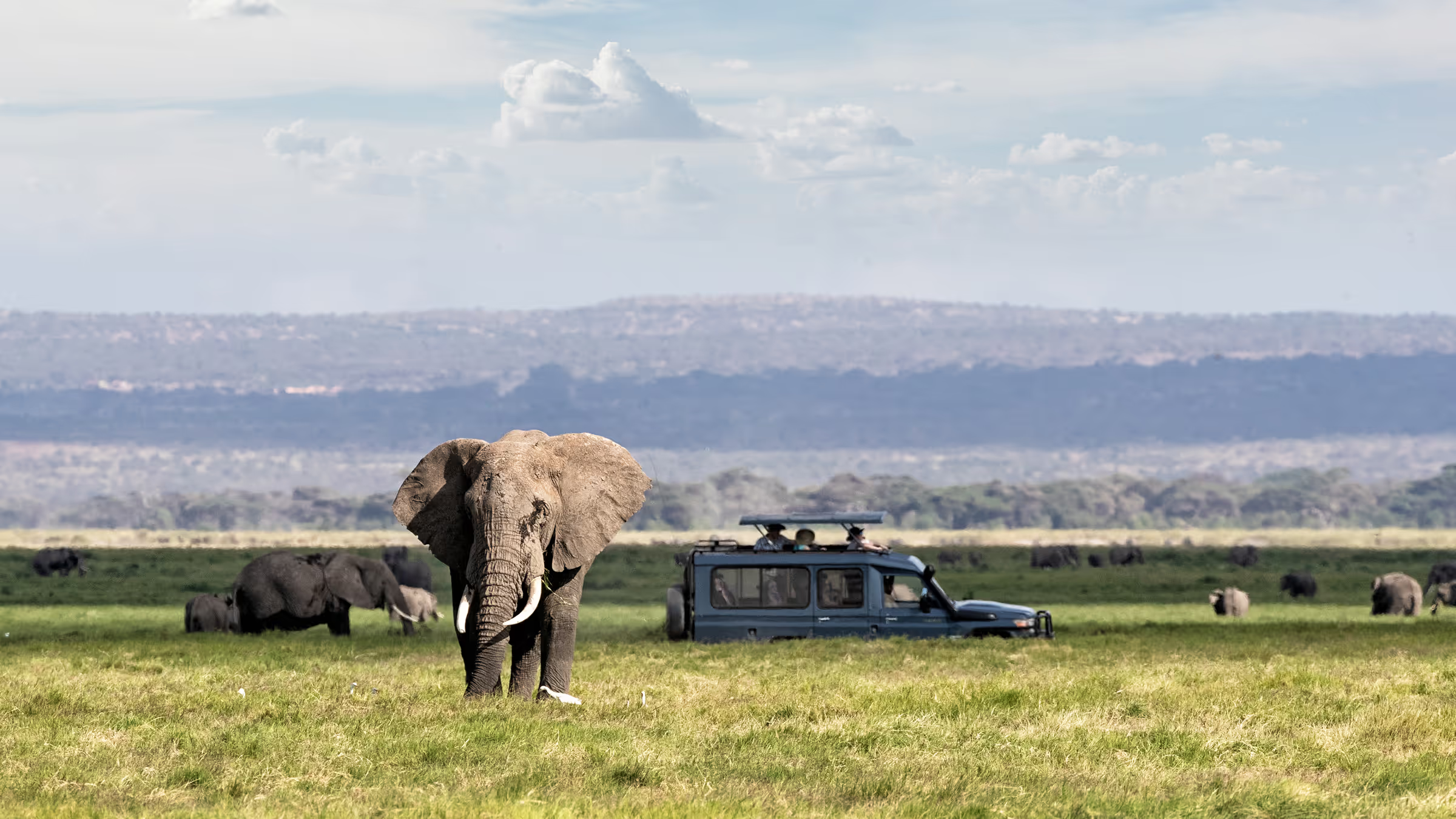
On your final day, enjoy a relaxed breakfast and a final game drive as you make your way back towards Arusha or Moshi. Along the route, there are often additional wildlife sightings, providing a fitting conclusion to an unforgettable safari experience.
Why is this safari so special between mid-December and March?
This period marks the Great Migration calving season, one of the most fascinating wildlife events on the planet. The Southern Serengeti and Ndutu plains become a nursery for hundreds of thousands of wildebeest calves, creating incredible wildlife density and predator activity. The lush green landscapes, fewer visitors compared to the high season, excellent photographic conditions, and abundance of animal behavior make this one of the most rewarding safari experiences Tanzania has to offer.